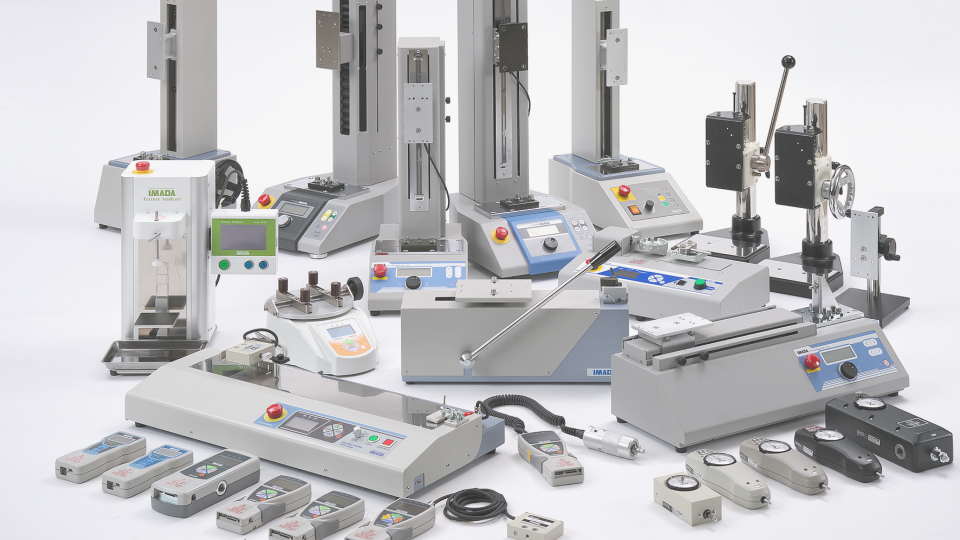
Adhesion is one of the most important quality characteristics of coatings and paint films (hereinafter referred to as “coatings”). Coatings serve various purposes, including surface protection, aesthetic design, and functional enhancement. To achieve these purposes, it is essential that the coating adheres firmly to the substrate. This article explains two test methods used to evaluate coating adhesion: the Cross-Cut Test and the Pull-Off Method (Coating Tensile Adhesion Test).
Purpose and Methods of Adhesion Evaluation
Coating adhesion is an indicator of the mechanical resistance of a coated film against peeling. If adhesion is weak, the risk of coating-related defects, such as peeling due to external force or long-term deterioration, increases.
Coating adhesion is influenced not only by the intrinsic performance of the paint itself, but also by compatibility with the substrate and undercoat, as well as by surface conditions. Therefore, it is necessary to test whether adhesion meets the required quality standards under the actual coating conditions in which the product is used.
Adhesion is evaluated by forcibly peeling the coating using adhesive tape or a bonding agent. There are two types of adhesion tests: the Cross-Cut Test, which provides qualitative evaluation, and the Pull-Off Method (Coating Tensile Adhesion Test), which provides quantitative evaluation. The Cross-Cut Test and the Pull-Off Method are selected depending on the required level of rigor, immediacy, and simplicity of the measurement results.
| Cross-Cut Test | Pull-Off Method (Coating Tensile Adhesion Test) |
|---|---|
 |  |
| Simple / Easy / Low-cost evaluation method | Rigorous / Quantitative evaluation method |
Adhesion Evaluation by Cross-Cut Test (JIS K 5600-5-6: 1999)
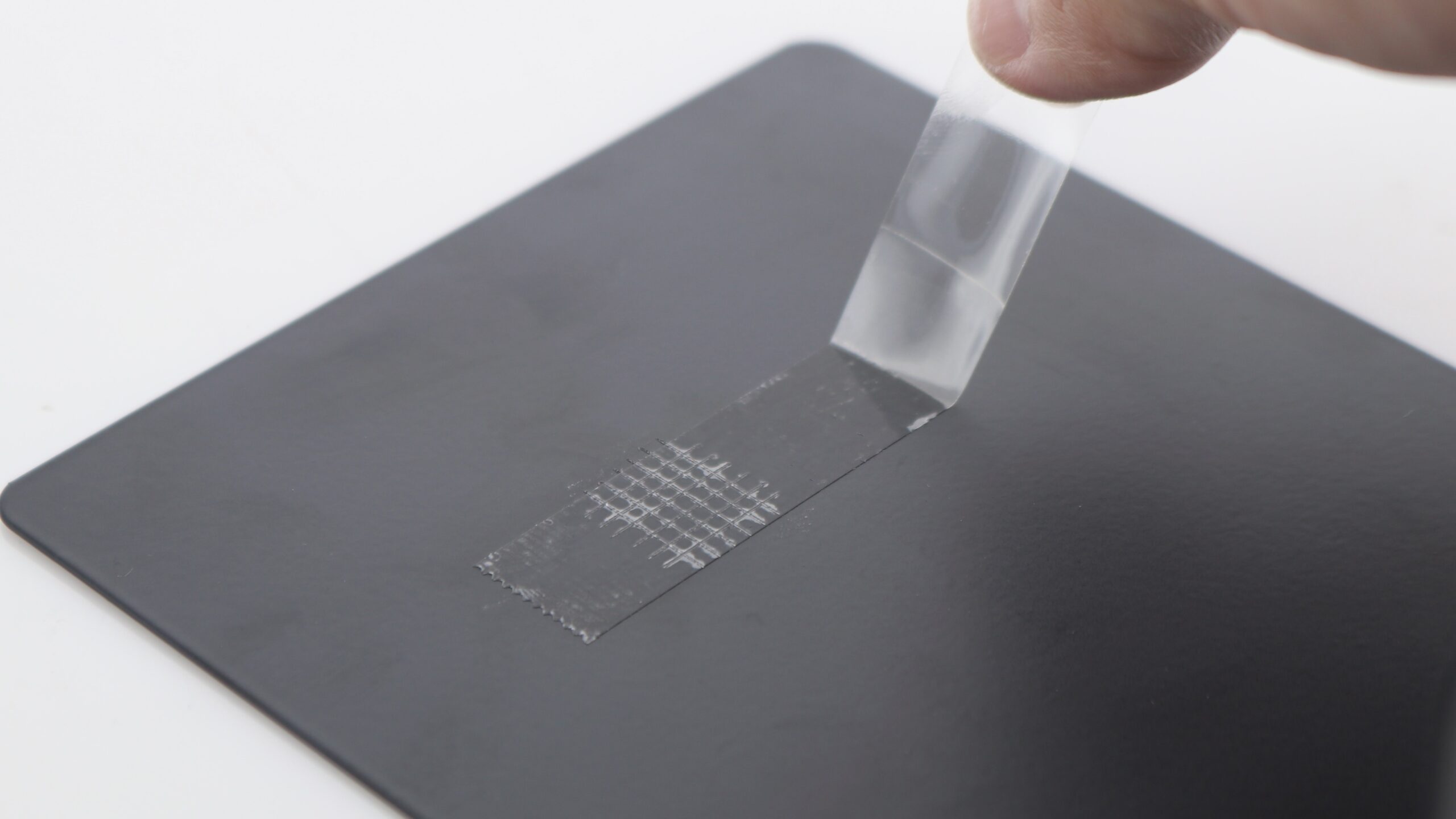
The Cross-Cut Test (also referred to as the lattice-cut test) has long been used in the coatings industry of Japan as a method for evaluating adhesion. Under Japanese Industrial Standards, JIS K 5600-5-6: 1999 specifies the test method as “General test methods for paints — Part 5: Mechanical properties of paint films — Section 6: Adhesion (Cross-Cut method).”
[Procedure of the Cross-Cut Test]
| Step 1: Make lattice-pattern cuts in the coating (cutting through to the substrate). | Step 2: Apply adhesive tape over the entire cut area and rub firmly with a finger to ensure close contact. | Step 3: Peel off the adhesive tape in one motion and check the condition of the coating after peeling. |
|---|---|---|
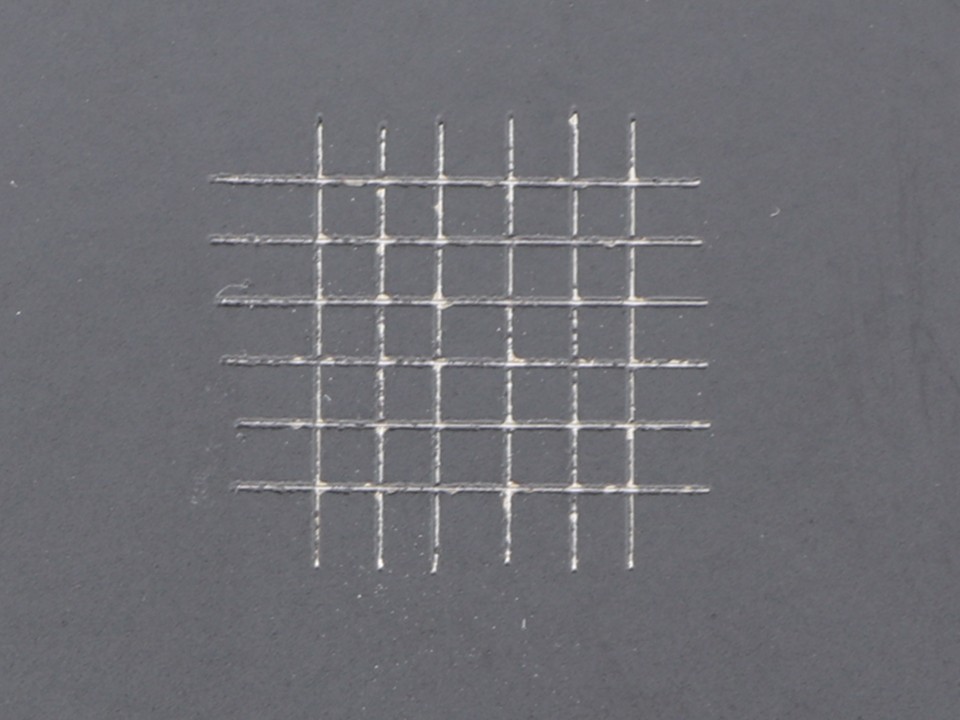 | 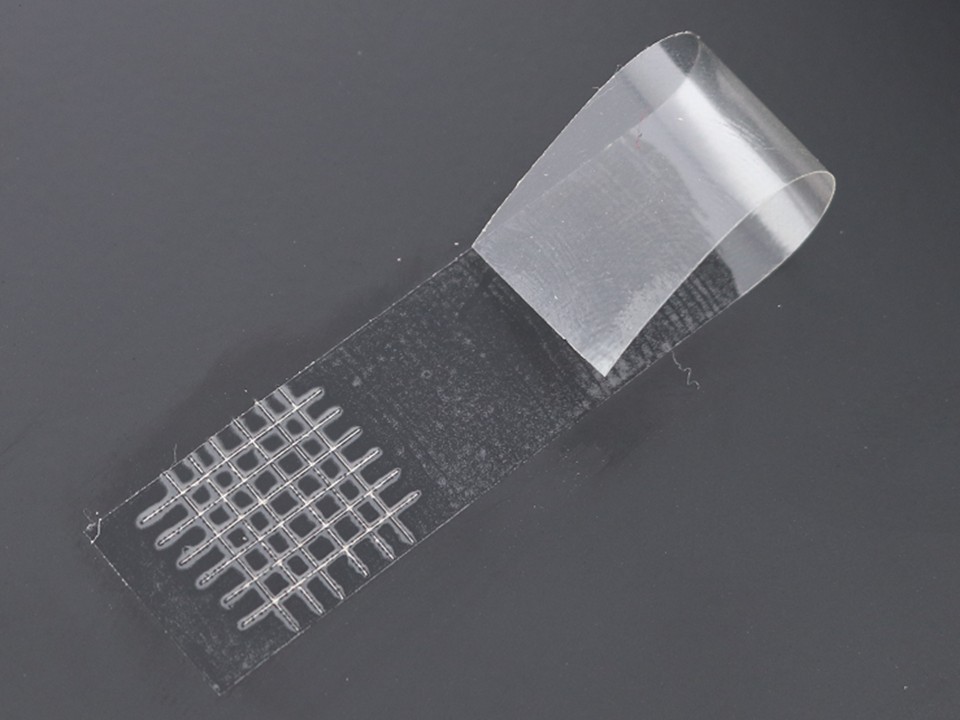 | 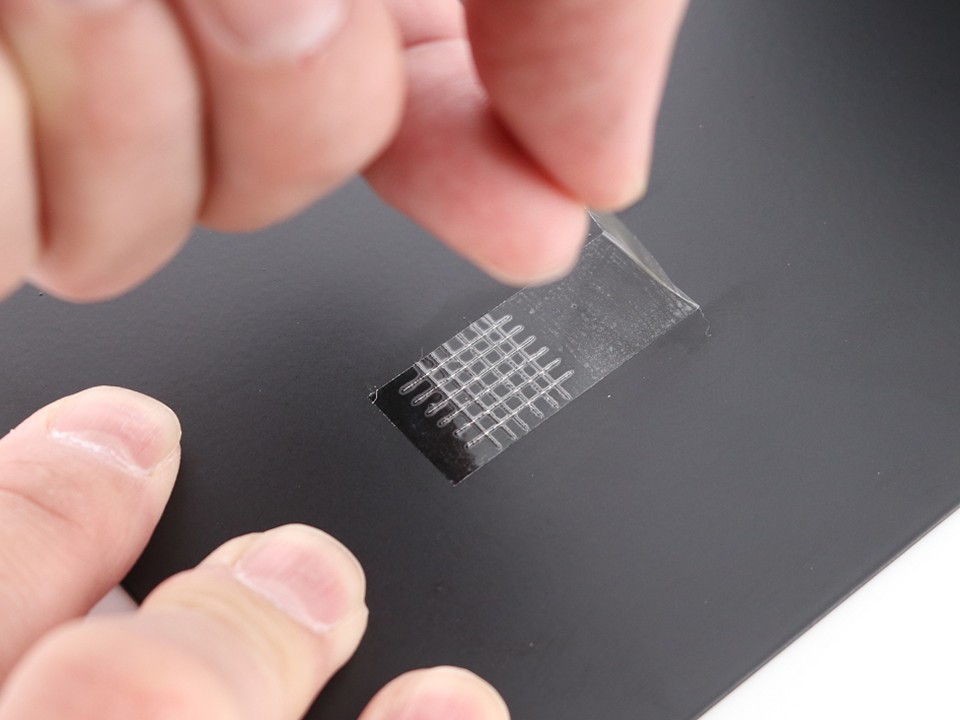 |
The test procedure is extremely simple and consists of three steps above. Regarding the evaluation criteria after tape removal, JIS K 5600-5-6: 1999 classifies the results into six levels according to the degree of peeling. (For details, refer to the standard documentation. For reference, no peeling corresponds to Classification 0, and the classification number increases as the peeled area becomes larger.)
[Advantages of the Cross-Cut Test: Simplicity and Low Cost]
The Cross-Cut Test is widely adopted in Japan at coating sites because it can be performed easily in a short time and the required tools can be prepared at low cost. The test can be conducted without cutting out a test panel, and it can also be applied to gently curved surfaces, making it a highly practical test method.*1 However, it should be noted that the test results may have limited reproducibility.
[Disadvantages of the Cross-Cut Test: Ambiguity of Results]
The Cross-Cut Test may produce ambiguous results for the following reasons:
- Tape adhesion strength, peeling angle, and peeling speed can vary between tests.
- Evaluation is limited to six classifications (JIS K 5600-5-6: 1999), making detailed assessment difficult.
- If the coating adhesion exceeds the adhesive strength of the tape, all results fall into the highest classification.
In fact, JIS K 5600-5-6: 1999 indicates that the Cross-Cut Test is not a method for strict numerical evaluation of adhesion.
[Summary of the Cross-Cut Test]
– Lattice-pattern cuts are made in the coating, and the coating condition is evaluated after peeling with adhesive tape.
– Due to its simplicity, it is widely used as a convenient test method at coating sites in Japan.
– There are limitations in the rigor of the test results (such as low reproducibility of test conditions).
– JIS K 5600-5-6: 1999 indicates that it is not a method for numerical evaluation of adhesion.
*1 JIS K 5600-5-6: 1999 specifies that flat test panels should be prepared. Refer to the standard documentation for details.
Adhesion Evaluation by Pull-Off Method (JIS K 5600-5-7: 2014)
The Pull-Off Method (also referred to as the Coating Tensile Adhesion Test) is a test method that enables quantitative evaluation of coating adhesion. Under Japanese Industrial Standards, JIS K 5600-5-7: 2014 specifies the test method as “General test methods for paints — Part 5: Mechanical properties of paint films — Section 7: Adhesion (Pull-Off method).
[Procedure of the Pull-Off Method]
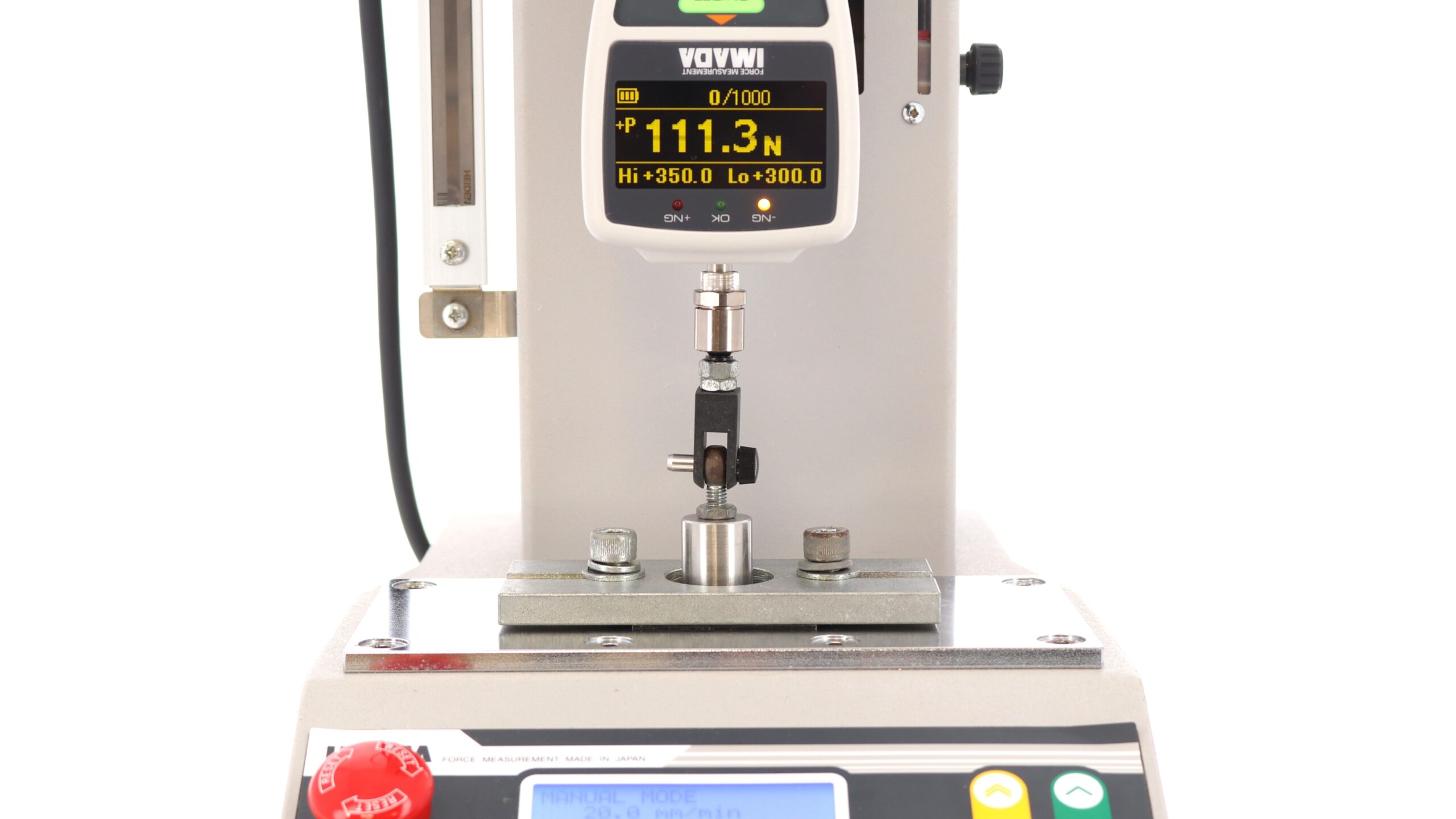
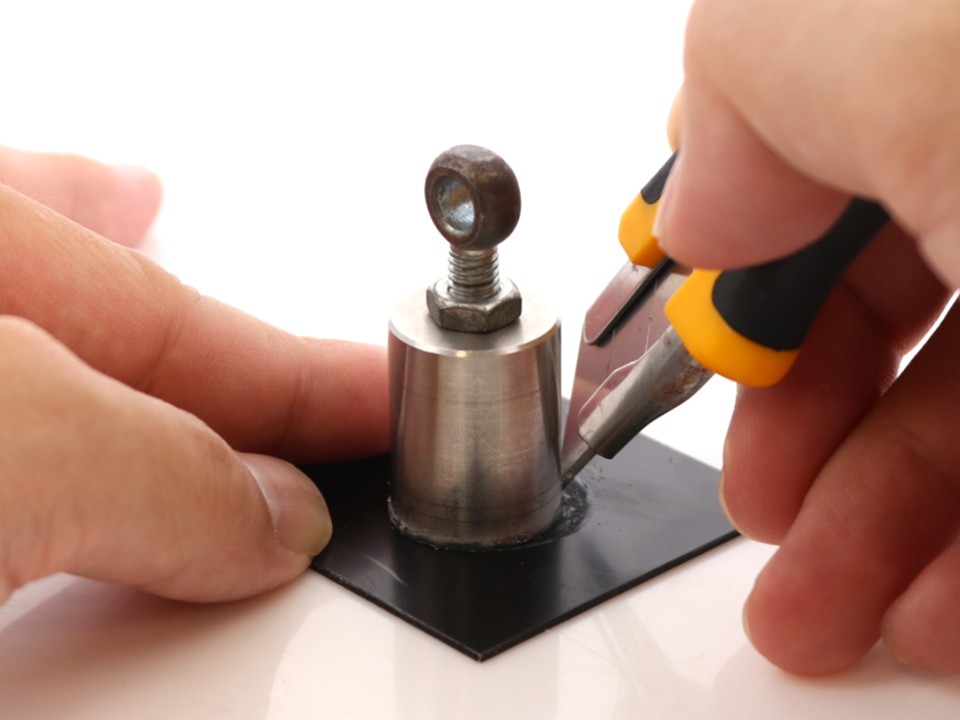
| Step 1: Bond a cylindrical test fixture for the Pull-Off Method (dolly) to a flat coated panel using an adhesive. | Step 2: After the adhesive has cured, make a cut in the coating along the circumference of the dolly. | Step 3: Pull the dolly vertically upward and record the breaking strength when the coating fails. |
|---|---|---|
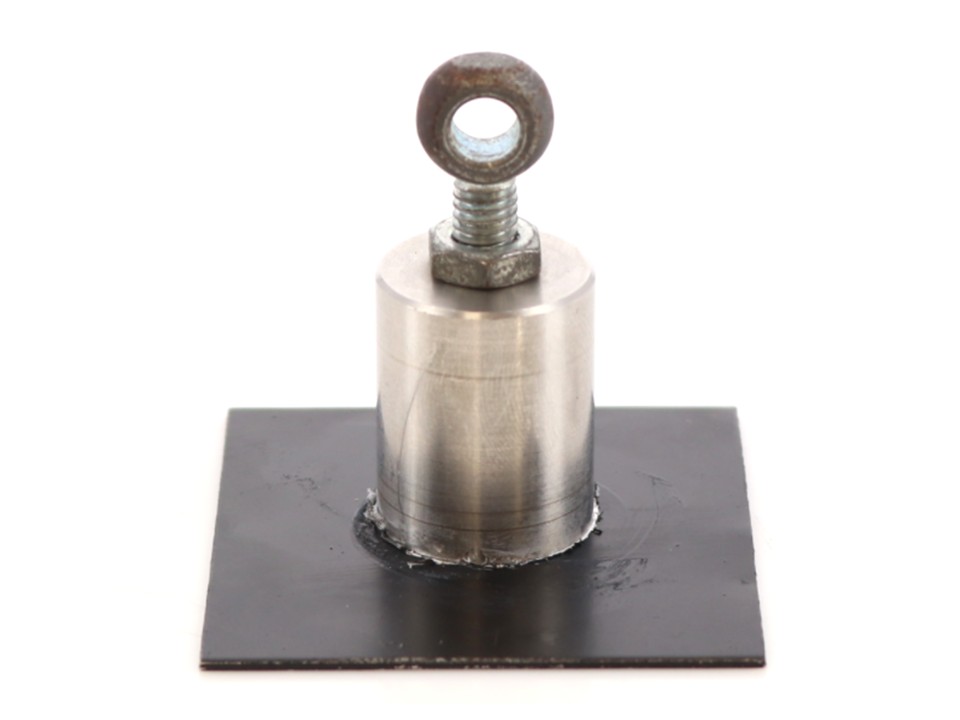 |  | 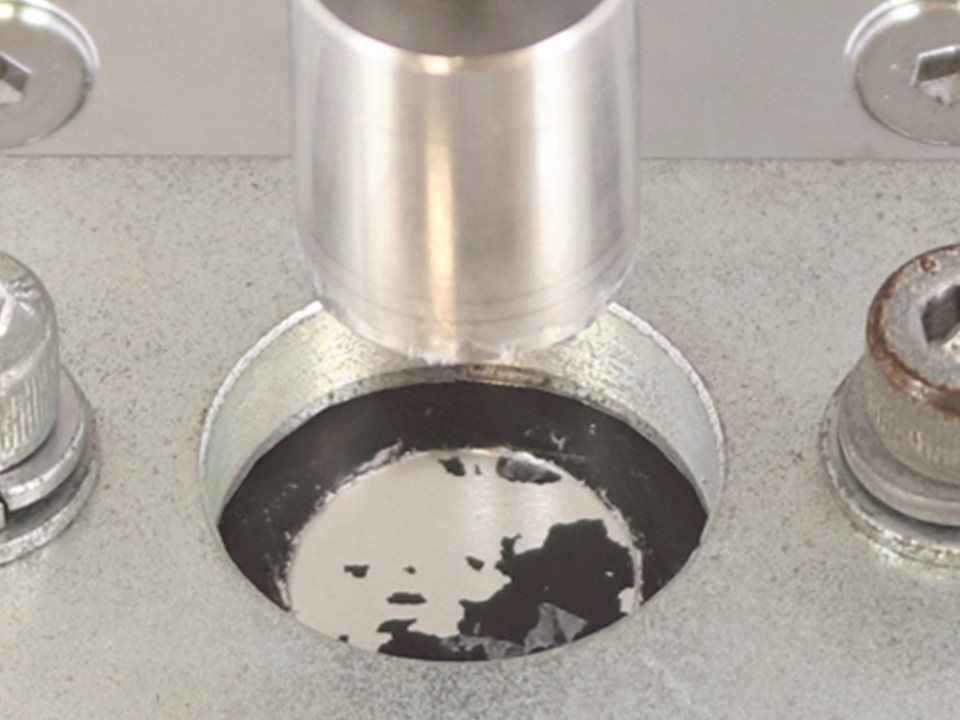 |
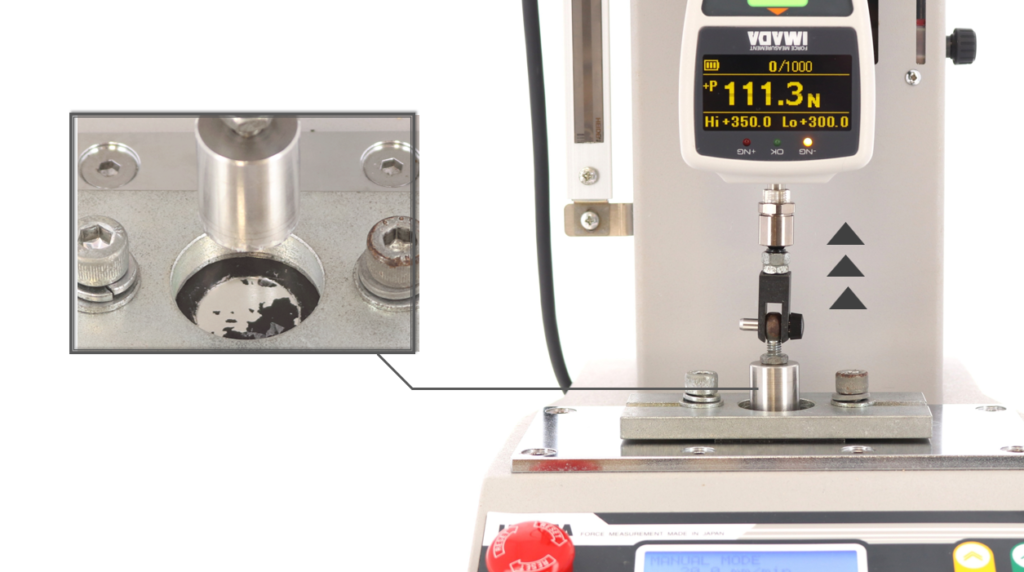
Adhesion is measured using force measuring instruments such as a force gauge. For example, in the test unit shown above, the force gauge (displaying 111.3 N on the screen) is raised by a motorized test stand, pulling the test dolly upward to measure coating adhesion.
>>Click here to learn about the specific test unit or to watch the measurement video
Measurements are generally performed multiple times, and the average value of the measured results (breaking force = peak value for each test) is calculated. For example, JIS K 5600-5-7: 2014 recommends conducting six or more tests on the same sample. The measurement results are recorded as breaking force “N (Newton)” or breaking strength “MPa.” Breaking strength (MPa) can be calculated by dividing the breaking force (N) by the bonded area (mm²). *1
[Advantages of the Pull-Off Method: Quantification of Adhesion / Evaluation of High-Adhesion Coatings]
The greatest advantage of the Pull-Off Method is that adhesion can be quantified. By expressing adhesion numerically, evaluation can be conducted using objective numerical values rather than subjective qualitative judgment.
In addition, the Pull-Off Method can apply a greater tensile force than the Cross-Cut Test.*2 Therefore, even coatings with adhesion too strong to be peeled off by adhesive tape can be detached and quantified. In other words, the Pull-Off Method overcomes the limitation of the Cross-Cut Test, in which all coatings stronger than the adhesive tape are classified in the highest category. *3
[Disadvantages of the Pull-Off Method: More steps required / Requires Testing Equipment]
Compared with the Cross-Cut Test, the Pull-Off Method requires more effort and specialized testing equipment with a motorized drive mechanism. Furthermore, it cannot be performed on coatings that are not flat.
Summary of the Pull-Off Method
– A test dolly for the Pull-Off Method is bonded to the coating, and tensile breaking force and breaking strength are measured.
– A motorized test stand and force gauge are required.
– Adhesion can be evaluated quantitatively. Coatings that cannot be peeled off in the Cross-Cut Test can also be evaluated.
– Flat test specimens are required.
*1 N (Newton) is the unit of force defined in the International System of Units (SI) and is used as the unit of tensile force.
*2 The measurable adhesion is limited by the tensile strength of the adhesive and the capacity of the testing machine.
*3 Classification 0 (no peeling), etc., in JIS K 5600-5-6: 1999.
Comparison of the Cross-Cut Test and the Pull-Off Method
| Test Method | Cross-Cut Test | Pull-Off Method (Coating Tensile Adhesion Test) |
|---|---|---|
| Characteristics | Simple / Easy / Low cost | Rigorous / Quantitative |
| Test Image | | |
| Required Tools | Cutter knife, ruler (or dedicated guide), tape | Testing machine (force gauge, motorized test stand, etc.), adhesive |
| Evaluation Method | 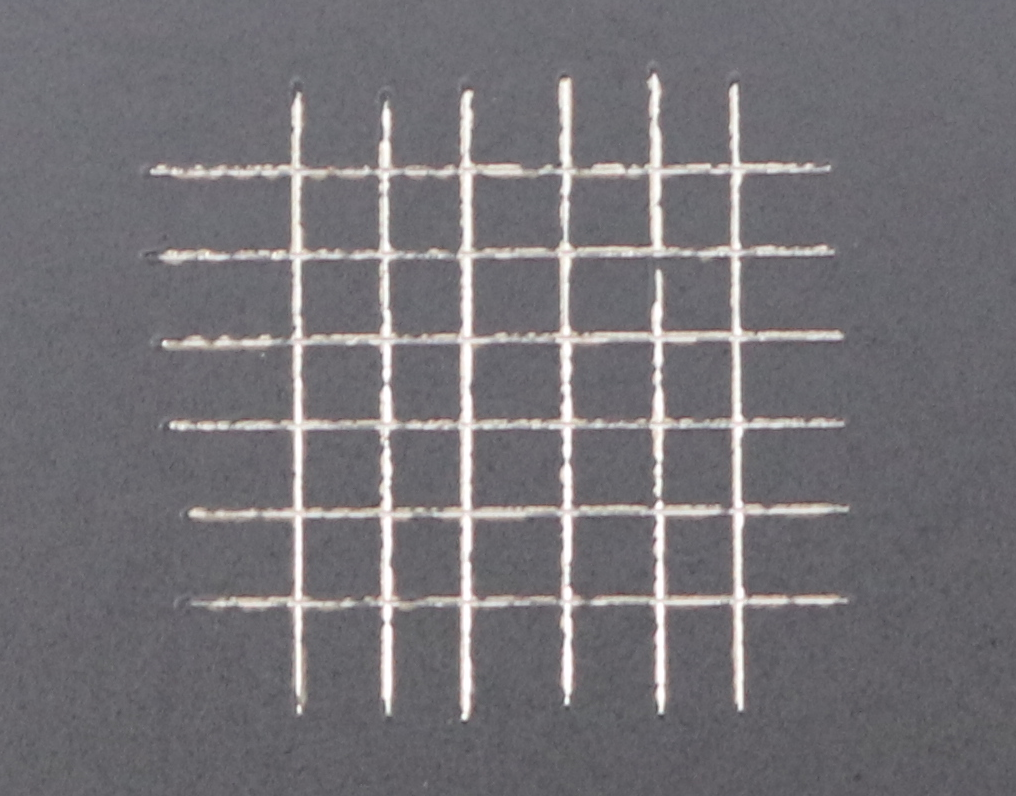 Observe the coating after tape peeling | 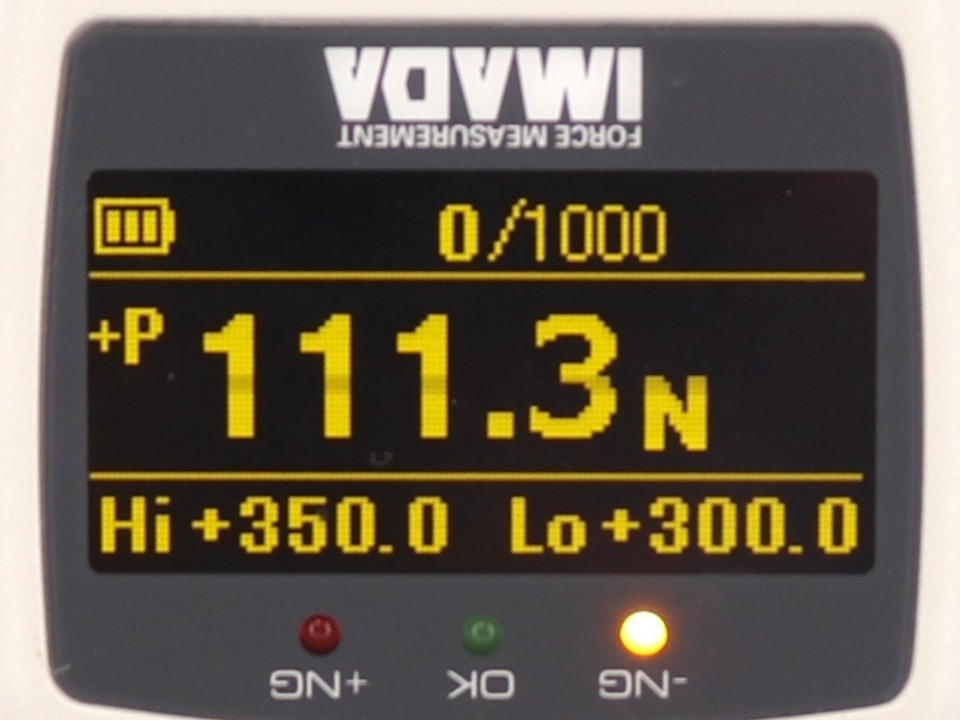 Compare based on tensile force at failure |
| Measurable Adhesion Range | Up to the adhesive strength of the tape | Adhesion exceeding the tape strength can also be measured (up to the tensile strength of the adhesive) |
| Applicable Test Samples | Can be performed without cutting out a test specimen; can be applied to gently curved surfaces*1 | Flat test specimens are required |
| Applicable Standard (Japanese Industrial Standards) | JIS K5600-5-6: 1999 | JIS K5600-5-7: 2014 |
*1 JIS K 5600-5-6: 1999 specifies that flat test panels should be prepared. For details, refer to the standard documentation.
[Supplement: Combination of Adhesion Testing and Durability Testing]
Adhesion evaluation tests are sometimes conducted in combination with tests such as salt spray testing. Salt spray testing is a test in which coated panels are placed inside a chamber where salt water is sprayed, and the condition of the coating is observed after a certain period of time has elapsed. The purpose is to evaluate the durability of the coating, and observations are mainly made for rust, blistering, and corrosion.
During salt spray testing, cuts are typically introduced into the coating in advance, and adhesion around the cut area is evaluated by peeling with adhesive tape. However, in some cases, Cross-Cut Tests or Pull-Off Method tests are conducted on coatings after salt spray testing.
Summary
Coating adhesion tests include the qualitative Cross-Cut Test and the quantitative Pull-Off Method (Coating Tensile Adhesion Test). These two test methods differ in the rigor of evaluation of the measurement results, and it is important to select the appropriate method according to the testing purpose.
The Cross-Cut Test can be performed quickly and easily; however, there are limitations in measurement reproducibility and precision. On the other hand, the Pull-Off Method enables quantitative evaluation of adhesion, but it requires testing equipment and the preparation of cut-out coated panels. To accurately evaluate coating adhesion, it is essential to fully understand each test method and select the appropriate method according to the objective.
[Reference Information]
On IMADA’s Product and Service website, a measurement example video of the Pull-Off Method conducted in partial compliance with JIS K 5600-5-7: 2014 is available. In addition, IMADA provides technical consultation for customers who wish to discuss measurement methods or testing equipment.
For those who would like to learn more about coating adhesion testing, please visit IMADA’s Product and Service website.